Prototype • Nigeria • Design Proposal
Mini Branch Prototype
Designed once, to be built in a dozen places at the same time, by people we will never meet.
Prototype • Nigeria • Design Proposal
Designed once, to be built in a dozen places at the same time, by people we will never meet.
Type
Retail Banking
Format
Small Branch
Model
Repeatable Prototype
Status
Design Proposal
The bank did not want a building. It wanted a product: a small branch format it could roll out to several locations simultaneously, build quickly, and manage without a specialist on site.
That changes what you are actually designing. A one-off building is drawn for a site you have walked, a contractor you have met and a client who is in the country. A prototype has to work on sites nobody has seen yet, built by teams who will never speak to the architect, in towns that may be six hours apart.
So every decision has to survive being repeated. Anything that depends on a particular orientation, a particular neighbour, a skilled trade or a long lead time will fail somewhere in the rollout — and if it fails, it fails everywhere at once.
A small branch has nowhere to hide. On a large building, a plant room goes in a back corner and nobody sees it. In a building this size, the queue, the ATMs, the staff area, the strong room, the service runs and the customer experience are all within a few metres of each other.
The plan had to resolve all of that cleanly: customers moving one way, staff another, cash handled out of sight, and still a space that feels open rather than cramped on a busy morning. Getting that to work in a footprint this tight took more planning effort than a building five times the size would have.
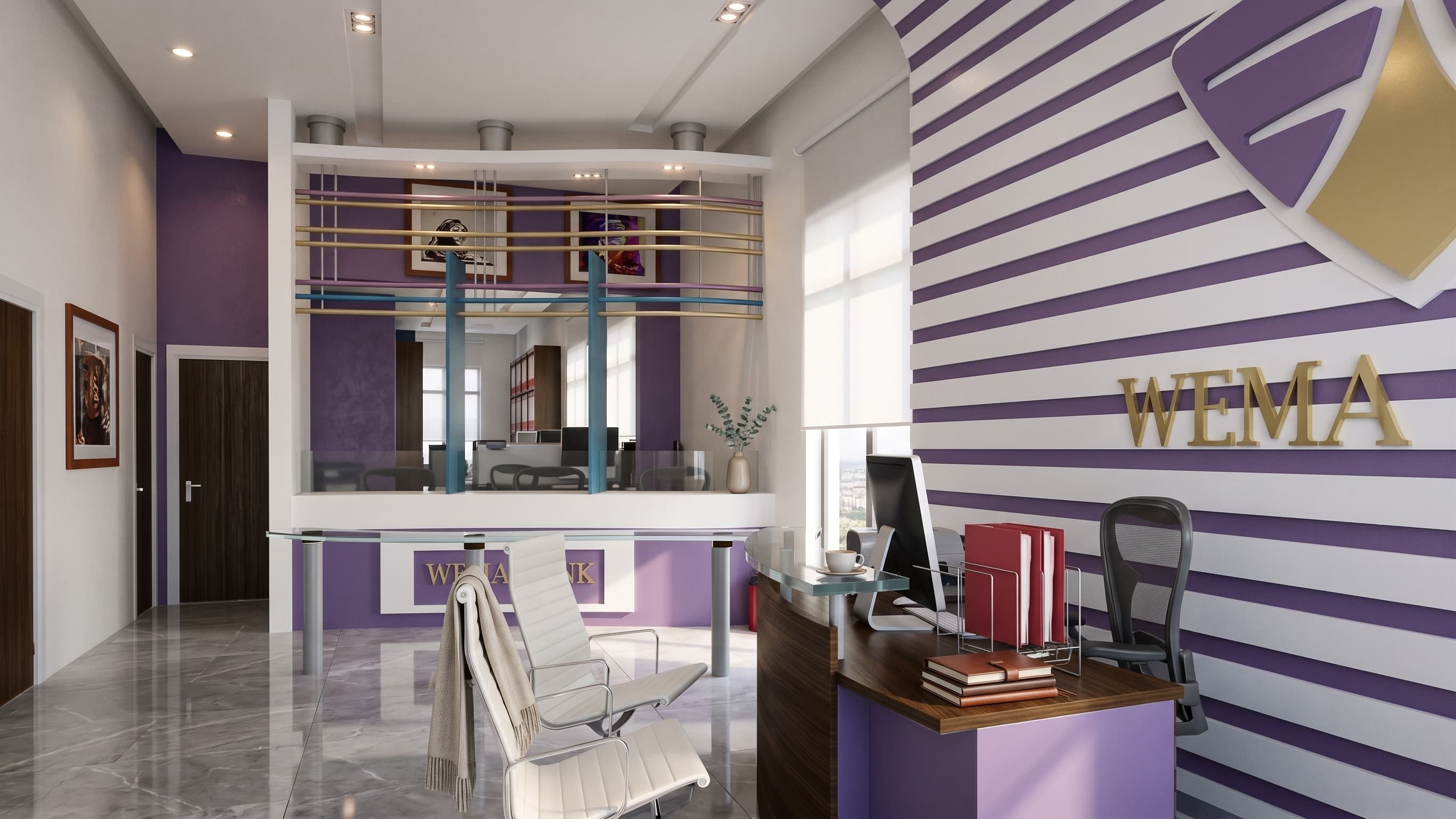
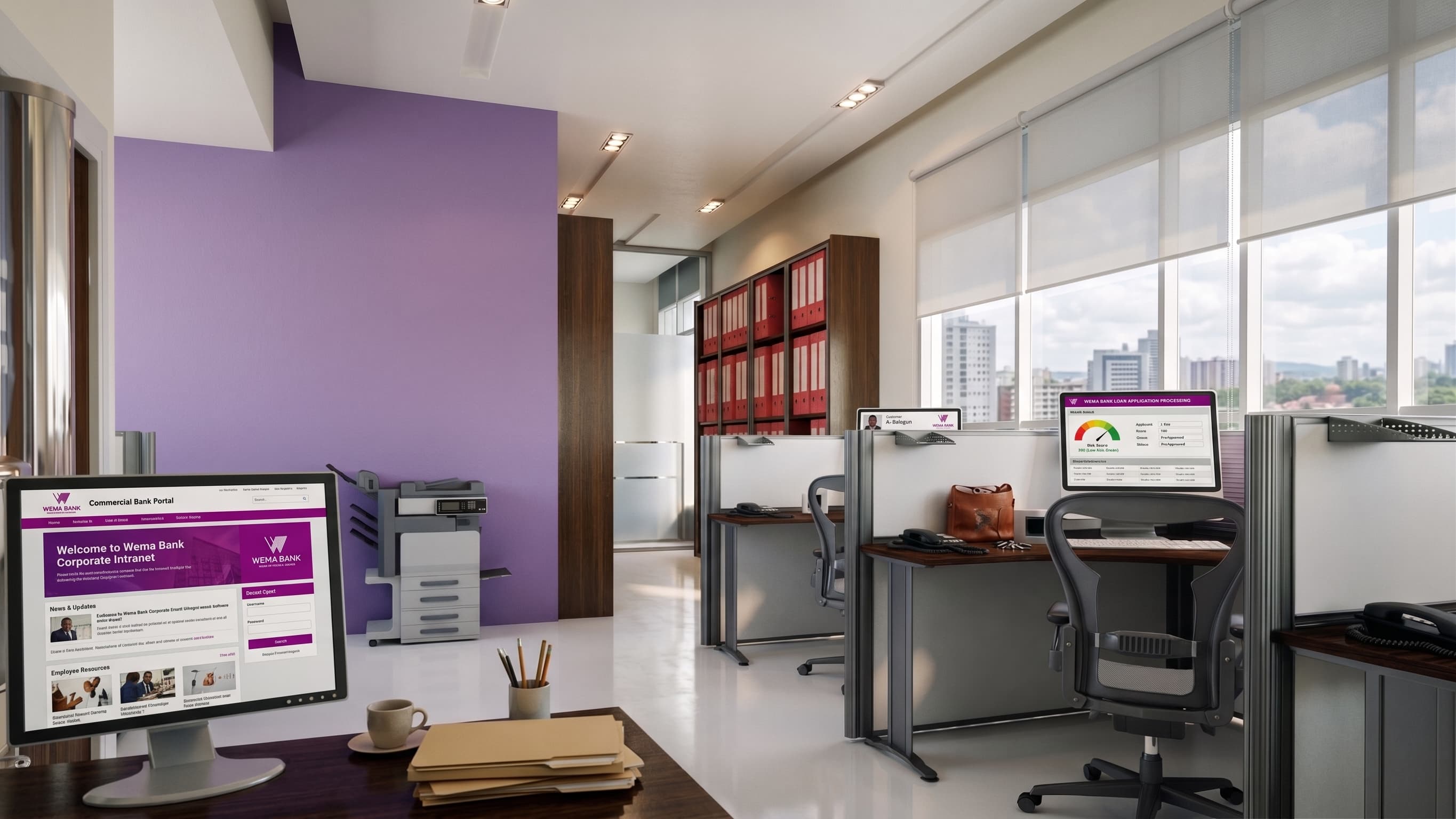
"Easy to manage" was in the brief and it drove most of the specification. A short list of materials, standard components available anywhere in the country, surfaces that clean rather than needing care, and a lighting and services layout a local electrician can understand from the drawing.
The practical result is one maintenance regime across every branch instead of a dozen. The same spare part fits all of them, the same cleaning routine works everywhere, and a fault in one town is diagnosed by the same instructions as a fault in another.
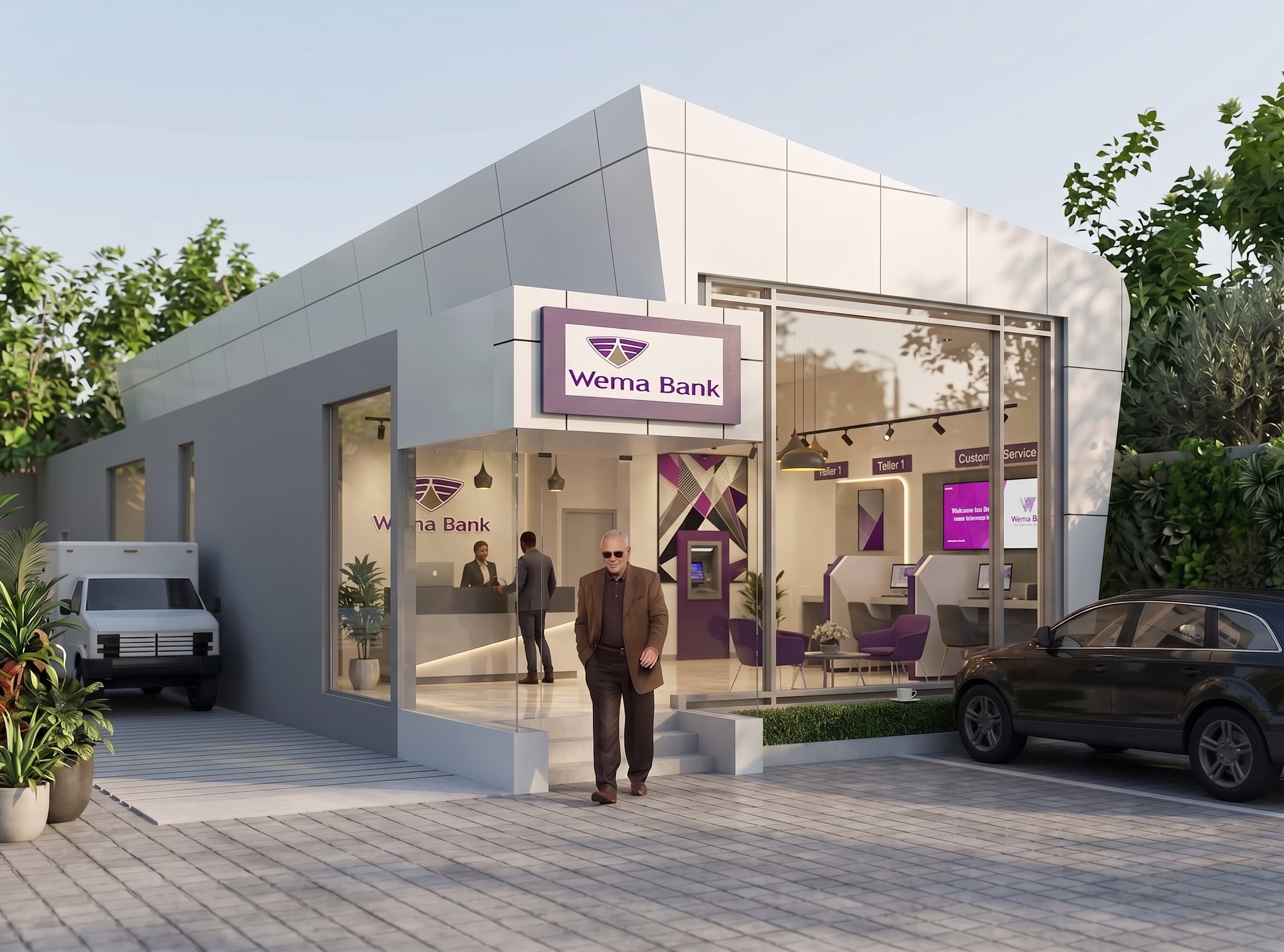
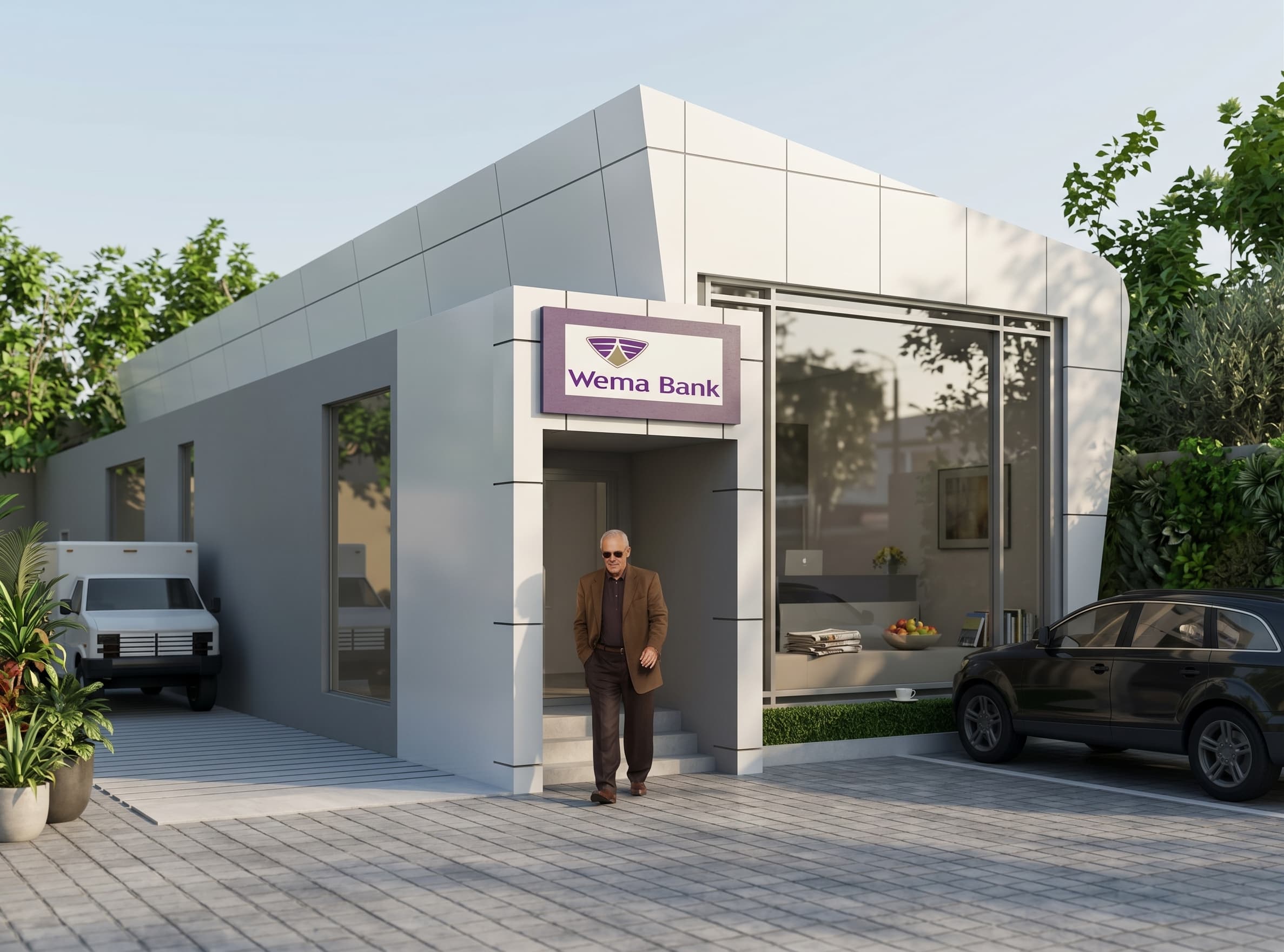
The part we are most pleased with is that it does not read as a kit. The branches share a clear design language — a consistent form, a consistent interior, a consistent way of meeting the street — so that a customer recognises one as soon as they see it, while each can still sit comfortably on its own plot.
That recognition is most of the commercial value of a prototype. A building people identify from across the road is advertising that was paid for once.
Computer-generated impressions.

Prototype design, documentation and the standards pack that keeps every branch the same. Tell us how many and how fast.
Start a Conversation